
Usp slider Little Groves page





Opening times
- Monday - Saturday
- 9am until 5pm
- Sunday
10am until 4pm
Ring & Collect
Call us on 01308 862030 and we will be happy to reserve your items and answer any questions. We have free parking on site for our customers and dogs are welcome.
About Little Groves
Little Groves Nursery is situated just outside Beaminster in Dorset and is the smaller sister nursery of Groves Garden Centre in Bridport.
Our nursery is set within a small garden and all of our sales beds are laid out in planting themes to help you shop. We have found that this helps both experienced gardeners as well as the many new gardeners that we have as customers.

Picture slider Little Groves - About Little Groves

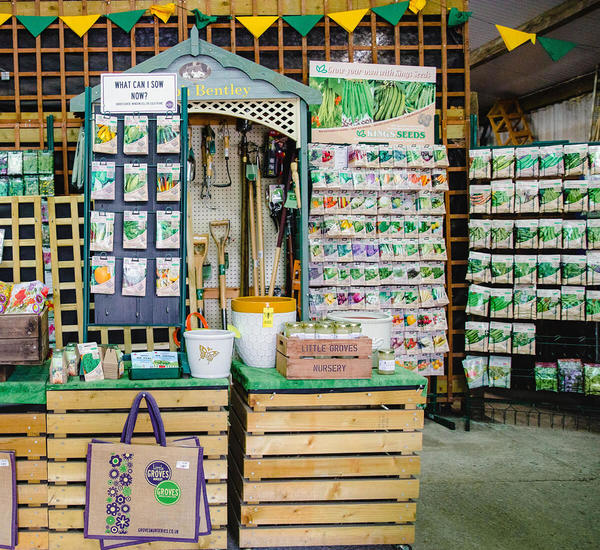


Picture slider Little Groves - Grown on site
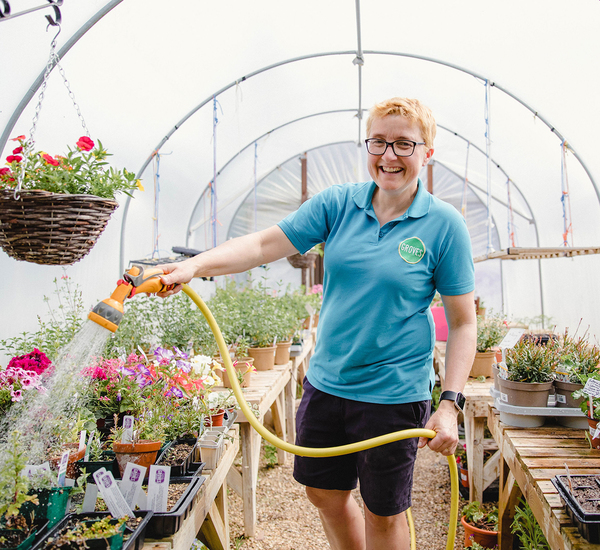


Grown on site
We grow many plants on site, as well as on our nursery in Bridport and other British nurseries. Specialising in growing herbs, as well as growing all of our own vegetable plants and many herbaceous perennials. Our small but very knowledgeable team are always happy to help with any gardening queries.
The nursery manager, Becky Groves was formerly a biodiversity officer in north Wales before returning to Dorset to open the nursery in 2008 so we have a strong environmental theme.
Whether it's the biodegradable Vipots that we use to grow in, the groundwater used for watering, the wildlife friendly themed demonstration garden and sales beds, or the Peat free compost on sale and used on our nursery, we encourage gardeners to bring their gardens to life.

Contact us
- Phone us 01308 862030
- Email us littlegroves@grovesnurseries.co.uk
Visit us
- Little Groves Nursery
- Tunnel Road,
- Beaminster
- DT8 3HB

When making your own compost there are a few aspects to know about to ensure your compost breaks down well and becomes the perfect compost for your plants to grow in. Homemade compost is invaluable to have in the garden meaning you will be able to use it as a mulch, soil improver or as an organic growing medium.
More
June’s a great month to be out in the garden, with long days and everything in full flower! Keep your garden looking great with our top 15 gardening tips for June.
More
Children are always excited about being in the natural world, feeling awe and curiosity all around. These top five tips to get kids gardening will help to encourage kids in your family or friends to get engaged with growing plants.
More
Extend your home into your garden with a beautiful outdoor living room and enjoy the best of both worlds! Read our top tips on how to create your perfect outdoor living space.
More